Motorcycle Rental in Canada: Epic Highways, Mountain Passes, and Urban Exploration
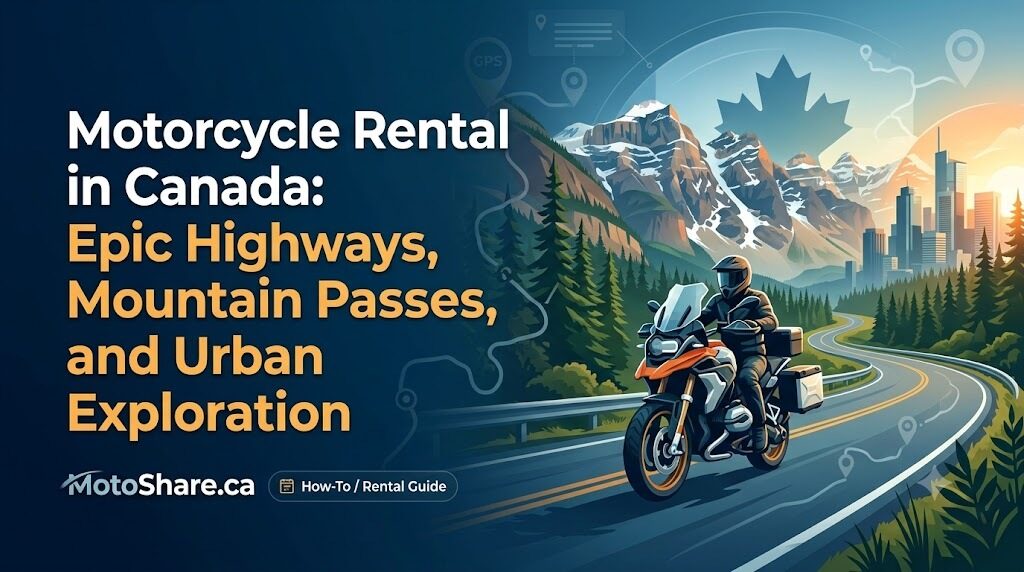
Taking in Canada’s sweeping horizons from the saddle of a motorbike is an unmatched way to travel. Between the towering alpine walls of the Rocky Mountains, the rugged headlands of Atlantic coastal routes, and the rolling agricultural plains across the interior, two wheels give you an unfiltered, tactile connection to the environment. It changes your entire perspective, turning ordinary highway stretches into the main highlight of your trip.
Organizing a cross-country or regional ride demands smart preparation and clear logistics. Using platforms like MotoShare allows travelers to research and compare local motorbike options, peer-to-peer choices, and regional vehicle listings across Canadian destinations. Booking the right class of motorcycle ensures your ride aligns with your personal riding experience, the demands of your itinerary, and unpredictable Canadian weather. Whether you are mapping out a weekend run through rural Ontario or tackling a multi-week mountain expedition, solid logistical prep is essential before you twist the throttle.
Why Consider Motorcycle Rental in Canada?
Booking a motorcycle rental in Canada gives both visiting travelers and local riders an efficient, hassle-free way to explore. Transporting your own bike across provinces or international borders involves hefty shipping expenses, customs paperwork, and the risk of transit scuffs. Renting locally sidesteps these headaches: you touch down at your destination, grab the keys to a road-ready machine, and hit the highway without delay.
Riding across Canada brings several distinct advantages:
Direct Exposure to World-Class Scenery: Routes like the Sea to Sky Highway in British Columbia or the Cabot Trail in Nova Scotia are built around dramatic natural contours, offering an open-air riding experience that an enclosed vehicle cannot match.
Agile Travel and Straightforward Parking: Motorcycles make it simple to navigate busy scenic overlooks, tight mountain viewpoints, and heritage town centers where large touring rigs struggle to find space.
The Right Machine for the Route: Renting lets you tailor your ride to specific terrain. Pick an easy-handling middleweight for city day trips, or secure a full-dress touring bike with lockable hard cases for long-haul highway cruising.
At the same time, traveling by motorcycle requires honest evaluation of your group's needs. Motorcycling demands total physical engagement, constant alertness, and strict luggage discipline. If you are traveling with family or young children, or heading out during early spring or late autumn when unexpected freezing rain and flurries can occur, a standard passenger vehicle remains the safer, more practical choice.
Motorcycle Rental in Toronto: Exploring Ontario
Toronto acts as a primary entry hub for many international and domestic visitors. While riding downtown requires sharp defensive skills to handle dense commuter traffic, extensive expressway grids, and slick streetcar tracks, open rural highways and scenic twisties are easily reachable once you escape the city limits.
Securing a motorcycle rental in Toronto opens up several classic Ontario touring destinations:
Muskoka and the Haliburton Highlands: Celebrated for winding two-lane roads flanked by exposed granite ridges, dense pine forests, and thousands of clear lakes. Routes framing Algonquin Provincial Park offer technical curves and scenic lake views.
The Bruce Peninsula and Niagara Escarpment: Riding northwest toward Tobermory or south through Niagara wine country reveals sweeping vistas over Georgian Bay, quiet farming roads, and dramatic limestone bluffs.
Prince Edward County: A calm, scenic cruise east along the shoreline of Lake Ontario, perfect for riders who enjoy heritage towns, artisan stops, and gentle curves.
Timing your departure from Toronto is crucial. Jumping on major arteries like Highway 401 or the Don Valley Parkway during peak weekday rush hours will leave you idling in gridlock. Plan your departure for early weekend mornings to transition smoothly onto secondary rural roads.
If your group includes non-riders, or if your plans focus mainly on downtown entertainment districts, business meetings, and shopping centers, reserving through a car rental Toronto provider gives you protected luggage storage, passenger capacity, and stress-free urban travel.
Motorcycle Rental in Vancouver: Coastal and Mountain Adventures
Vancouver sits at the meeting point of the Pacific Ocean and the Coast Mountains, making it one of North America's most dynamic riding hubs. The shift from sea-level coastal roads to rugged mountain climbs happens within minutes.
Booking a motorcycle rental in Vancouver puts you on the doorstep of premier West Coast routes:
The Sea to Sky Highway (Highway 99)
Winding along Howe Sound from West Vancouver through Squamish and Whistler to Pemberton, this corridor offers ocean views, sheer cliffs, and snow-capped peaks. Continuing past Pemberton toward Lillooet along Duffy Lake Road brings technical curves, shifting asphalt conditions, and true alpine isolation.
Vancouver Island and Coastal Ferry Loops
Boarding a BC Ferries vessel to Vancouver Island unlocks legendary routes, including the run along Highway 4 through ancient temperate rainforests toward Tofino. Alternatively, taking the Sunshine Coast ferry loop provides relaxed, village-to-village riding with light vehicle traffic.
Coastal British Columbia's microclimates require thorough gear preparation. A ride that begins under sunny skies at sea level can quickly run into thick sea fog, heavy rain, or freezing conditions in high mountain passes. Pack reliable waterproof layers, keep an eye on provincial road cameras for rockfall or slide advisories, and verify your tire tread before riding into remote areas.
Motorcycle Rental in Calgary: A Gateway to Alberta Adventures
Calgary sits right where the rolling prairie foothills meet the sheer limestone walls of the Canadian Rockies, serving as the natural launch point for high-altitude touring.
Riders looking for a motorcycle rental in Calgary generally focus on world-famous mountain routes:
The Icefields Parkway (Highway 93 North): Running from Lake Louise up to Jasper, this highway is bordered by massive glaciers, brilliant turquoise glacial runoff lakes, and dramatic peaks.
Highwood Pass (Highway 40): Passing through Kananaskis Country at Canada's highest paved elevation, this road features crisp mountain air, sweeping switchbacks, and wide valley panoramas.
The Canadian Badlands: Heading northeast toward Drumheller leads into stark coulees, dramatic sandstone hoodoos, and winding river canyons that stand in sharp contrast to the Rocky Mountains.
Riding in the mountains around Calgary demands continuous attention to fast-changing weather. High-elevation passes can see sub-zero temperatures, dense hail, severe crosswinds, and sudden snowstorms even during the height of summer. Wildlife such as elk, bighorn sheep, and bears regularly graze along road shoulders. Scan the tree lines continuously, obey posted park speed limits, plan your fuel stops around designated park towns, and avoid riding after dusk.
How to Find Motorcycle Rental Near Me
Whether searching your hometown for a weekend ride or seeking a machine after flying into a new airport, locating a motorcycle rental near me requires careful evaluation of local providers. Seasonal operating windows, fleet variety, and provincial requirements can differ widely across the country.
Keep this practical evaluation checklist in mind:
Depot Location and Accessibility: Note the distance from your arrival terminal or lodging to the rental office, and confirm if they offer secure storage for your travel luggage while you are away.
Fleet Condition and Category: Select a provider with a solid maintenance track record and bikes well suited to your intended route—from nimble naked bikes to heavy highway tourers.
Transparent Pricing Structure: Ask for a complete cost breakdown upfront. Modest daily headline rates can sometimes conceal high mandatory prep charges, cleaning fees, or elevated insurance deductibles.
Kilometer Limits: Check whether your rental includes unlimited distance or enforces a daily mileage cap. Canada's vast distances mean daily tallies can easily hit 400 to 600 kilometers, causing overage fees to pile up rapidly.
Security Deposits and Credit Authorizations: Most rental operators place a substantial pre-authorization hold on your credit card to cover incidentals or deductibles. Make sure this hold will not tie up your everyday travel budget.
Insurance Terms and Deductibles: Review third-party liability minimums, collision waivers, and theft protection. Be clear on what actions (such as riding on unpaved logging roads) void your coverage entirely.
Age and Licensing Rules: Confirm age minimums—frequently set at 21 or 25—and ensure your motorcycle license class satisfies local provincial regulations.
Verified Rider Feedback: Read recent customer reviews to assess how smoothly the operator handles mechanical problems, vehicle handovers, and security deposit refunds.
How to Rent a Motorcycle in Canada: A Step-by-Step Guide
Reserving a motorcycle should follow an organized process to prevent paperwork surprises or unexpected costs. Use these ten practical steps when you get ready to rent a motorcycle in Canada:
Establish Your Itinerary and Calendar: Map out your daily mileage goals, overnight stops, and alternate routes. Book well ahead if traveling during peak riding months from late June through early September.
Choose the Right Motorcycle Category: Match the bike to your planned roads. Long days on divided highways benefit from windscreen protection and cruise control, while twisting backroads favor agile handling and upright ergonomics.
Respect Your Personal Skill Level: A demanding multi-day trip with loaded saddlebags through unfamiliar territory is not the time to test an oversized or unusually tall bike. Choose a machine you can handle with confidence at low speeds.
Audit the Total Cost and Policies: Review daily rental charges, provincial sales taxes, platform fees, supplemental insurance options, and credit card hold requirements.
Confirm Licensing and Eligibility: Make sure you carry an unrestricted motorcycle license from your home jurisdiction. International travelers should verify whether an International Driving Permit is required alongside their home license.
Examine Insurance Details: Clarify third-party liability coverage, collision waivers, comprehensive theft coverage, and deductible amounts. Note that typical credit card rental insurance rarely covers two-wheeled motorized vehicles.
Perform a Thorough Pre-Rental Walk-Around: Inspect the bike carefully with a company representative. Take timestamped photos and videos of any existing scratches, rim scuffs, lever marks, and tire tread depth before signing off.
Verify Roadside Assistance Terms: Confirm the emergency contact process for flat tires or mechanical trouble. Check whether roadside dispatch covers remote regional highways.
Map Fuel and Service Stops: Calculate your bike's loaded fuel range. In remote northern or mountainous stretches, fuel stops can sit more than 150 kilometers apart and may close early.
Complete the Vehicle Return: Bring the motorcycle back on schedule, refueled to the agreed level, and clean enough for an accurate inspection. Review the sign-off sheet together to ensure your damage deposit hold is released without delay.
Adventure Motorcycle Rental in Canada: Prepare for the Open Road
Adventure touring is booming across Canada. With thousands of kilometers of gravel networks, quiet forest routes, and legendary northern roads like the Dempster Highway or the Trans-Taiga, an adventure motorcycle rental Canada lets you explore backcountry landscapes that standard street bikes cannot comfortably tackle.
However, planning an adventure journey requires understanding the difference between maintained roads and off-road riding:
Maintained Paved Corridors: Ideal for cruisers, sport tourers, and standard street motorcycles.
Graded Public Gravel Roads: Easily handled by adventure tourers and dual-sports, provided your rental agreement explicitly allows travel on unpaved public roads.
Unmaintained Trails and Logging Cuts: Almost always forbidden by commercial rental agreements due to high recovery expenses and machine wear.
Rental Policy Boundaries
Most commercial and peer-to-peer rental contracts strictly outline where vehicles may operate. Even if a machine is styled as an adventure bike, your contract may restrict its use to numbered, publicly maintained roads. Taking a rented bike onto unmaintained trails, powerline cuts, or private logging routes can invalidate your insurance, leaving you personally liable for recovery and repair expenses. Always confirm acceptable road types in writing.
Gear and Wilderness Preparation
Adventure travel frequently leads into remote areas with spotty cell coverage and few service facilities. Make sure your kit includes:
CE-certified abrasion-resistant jackets and pants with dependable waterproof and thermal liners.
Heavy-duty, waterproof luggage securely attached to the motorcycle's mounting system.
A portable 12V air compressor, a tire puncture kit, and a compact multi-tool for basic roadside adjustments.
A satellite communicator or personal locator beacon for emergencies outside cell range.
Extra drinking water, shelf-stable rations, and a compact emergency first-aid kit.
Always follow responsible outdoor ethics. Stick to established public rights-of-way, pack out every scrap of waste, and respect private property lines, active industrial transport routes, and Indigenous communities along northern corridors.
Motorcycle Road Trip Canada: Routes, Preparation, and Safety
A successful motorcycle road trip Canada balances scenic ambitions with defensive riding, sensible daily distances, and regular weather checks. Canada's immense geographic scale often surprises first-time cross-country riders.
Sensible Pacing and Route Planning
Planning more than 400 to 500 kilometers per day on two wheels can lead to physical exhaustion, slower reflexes, and diminished enjoyment. Allow ample margin in your daily schedule for fuel breaks, meals, photo stops, road construction, and weather-related slowdowns.
Consider this practical four-day touring framework:
| Day | Primary Focus | Key Preparation |
| Day 1 | City departure to secondary regional highway | Complete vehicle walk-around, balance luggage weight, adjust mirrors and controls |
| Day 2 | Technical riding along lakes, foothills, or coastlines | Monitor road surface quality, plan fuel stops every 150 to 200 km, take rest breaks every 90 minutes |
| Day 3 | High-elevation pass, coastal ferry, or scenic loop | Check mountain pass webcams, pack warm layers, watch for wildlife around sunrise and sunset |
| Day 4 | Scenic return leg and rental depot check-in | Check tire pressures, wash away road grime, top up fuel, finalize return documentation |
Crucial Road Safety Considerations
Wildlife Hazards: Large animals like deer, elk, moose, and bears are common across Canadian highways. Moose are especially hazardous because their dark coats absorb headlights and their tall build puts their mass directly at windshield height. Avoid riding at dawn, dusk, and nighttime on rural corridors.
Fast-Moving Weather Systems: Coastal storms, prairie squalls, and mountain cold snaps can blow in with very little warning. Dress in versatile layers and pull over in a safe, sheltered spot if heavy hail or intense lightning develops.
Pavement Quality: Winter frost heaves leave behind deep potholes, cracks, and loose gravel near shoulders and intersections well into early summer. Keep a generous following distance behind heavy commercial trucks to avoid flying stone chips.
Motorcycle Rental vs. Car Rental in Canada
Deciding between two wheels and four comes down to your personal priorities, travel party, and budget. Each vehicle type solves distinct travel challenges.
| Factor | Motorcycle Rental | Car Rental |
| Best suited for | Solo riders, pairs, and riding enthusiasts looking for direct immersion in the landscape | Families, travel groups, and visitors prioritizing climate control, easy packing, and simple transit |
| Luggage capacity | Limited strictly to side cases, top boxes, or dry bags (usually 30 to 80 liters total) | Generous trunk and passenger space suited for standard suitcases and recreational gear |
| Weather protection | Exposed to wind, rain, heat, and cold; requires dedicated technical riding gear | Full shelter from rain, hail, snow, and temperature swings inside a climate-controlled cabin |
| Parking considerations | Small footprint allows easy maneuvering; city bylaws vary regarding shared motorcycle bays | Requires standard parking stalls; subject to typical parking garage height limits and meter fees |
| Licensing requirements | Requires an unrestricted, valid motorcycle license endorsement and compliance with age minimums | Requires a standard passenger driver's license (Class 5 or international equivalent) |
| Travel planning | Demands strict route pacing, gear staging, weather forecasting, and physical stamina | Offers flexible pacing, hands-free navigation, easier route changes, and relaxed passenger comfort |
For travelers embarking on wide-ranging family vacations across the country, a car rental Canada option provides reliable cargo space, passenger comfort, and all-weather dependability. For solo travelers or riding pairs seeking an engaging journey along iconic highways, two wheels offer an unmatched sense of freedom.
How MotoShare Fits into Your Canadian Travel Planning
When mapping out an itinerary across unfamiliar territory, exploring rental platforms is an excellent starting point. Services like MotoShare provide an informative entry point for travelers researching motorcycle and vehicle rental possibilities across Canada.
Using a platform like MotoShare allows you to see how flexible vehicle-sharing models operate in various Canadian markets. As you evaluate options on any rental site or marketplace, prioritize checking key practical details before finalizing your booking:
Regional Fleet Availability: Check which cities, towns, and pickup hubs have active listings during your exact travel window. Fleet sizes can change significantly between mid-summer and shoulder seasons.
Clear Cost Breakdowns: Review the full pricing structure, factoring in daily rates, platform service fees, security deposits, and optional protective packages.
Insurance Terms and Liability: Examine the specific insurance framework provided. Confirm third-party liability limits, comprehensive coverage terms, damage deductibles, and roadside assistance terms.
Renter Eligibility: Confirm all driver requirements, including minimum age thresholds, license classifications, and any restrictions on international licenses.
Cancellation and Modification Policies: Review the terms governing weather cancellations, itinerary changes, and deposit refunds so you understand your options if your travel plans shift.
By using MotoShare as a research resource alongside established regional providers, riders can compare different vehicle options, understand their contractual responsibilities, and choose a rental that fits their route, budget, and comfort level.
Common Mistakes to Avoid When Renting a Motorcycle
Even experienced riders can encounter avoidable snags on a rental trip by overlooking standard rental logistics. Watch out for these common errors:
Selecting an Unfamiliar, Oversized Machine: Choosing a heavy touring bike when you normally ride a lightweight standard at home can lead to clumsy handling at low speeds, on gravel shoulders, or in tight parking lots. Stick to a machine weight and seat height you can control comfortably.
Overlooking Insurance Deductibles: Assuming your personal auto policy or credit card covers motorcycle rentals can lead to costly surprises. Many credit cards exclude two-wheeled vehicles entirely. Review the provider's damage policy before riding off.
Rushing the Pre-Rental Inspection: Skipping a detailed walk-around can leave you responsible for existing scratches, scuffed fairings, or worn tires caused by previous renters. Document all pre-existing wear thoroughly with photos and video.
Setting Unrealistic Daily Distances: Mapping out consecutive 700-kilometer days leaves zero margin for construction detours, scenic stops, or physical fatigue. Keep daily targets manageable to stay sharp and enjoy the ride.
Underestimating Mountain and Coastal Weather: Setting out across Canada without high-quality windproof, waterproof gear and thermal base layers invites hypothermia, which impairs reaction times and control inputs.
Poor Luggage Weight Distribution: Overloading top cases or strapping heavy duffels too high and too far back alters the motorcycle's center of gravity, causing front-end instability and unpredictable cornering. Keep heavier items low and centered in side panniers.
Practical Motorcycle Rental Checklist
Before confirming your booking and hitting the road, run through this practical pre-ride checklist:
Travel dates and daily route targets finalized with realistic rest stops planned.
Motorcycle class, engine size, and seat height matched to your comfort and terrain.
Valid, unrestricted motorcycle license verified against provincial regulations.
Total costs reviewed, including daily rates, provincial taxes, platform fees, and deposit holds.
Insurance coverage terms, liability limits, and collision deductibles confirmed.
Approved riding helmet, armored jacket, riding pants, gloves, and sturdy boots packed.
Rental pickup address, operating hours, and luggage storage options confirmed.
Timestamped photos and video taken of all bodywork, controls, rims, and tires.
Provincial road alerts, mountain pass webcams, and local forecasts checked.
Rental emergency line, roadside support number, and local emergency contacts saved to your phone.
Frequently Asked Questions About Motorcycle Rental in Canada
1. How can I rent a motorcycle in Canada?
To rent a motorcycle, you must choose an authorized rental shop or vehicle-sharing platform, present an active, unrestricted motorcycle license, meet the operator’s minimum age requirement (typically 21 or 25), and supply a valid credit card for the security deposit hold. You will then select your bike, choose your insurance coverage, and complete a vehicle walk-around inspection before taking the keys.
2. What license do I need to rent a motorcycle in Canada?
You must hold a full, unrestricted motorcycle license issued by your home province, territory, state, or country (such as an Ontario Class M, British Columbia Class 6, or equivalent foreign endorsement). Learner permits, novice licenses with graduated restrictions, and permits that ban passengers or night riding are not accepted by rental providers.
3. Can international visitors rent a motorcycle in Canada?
Yes, international travelers holding a valid motorcycle license from their home country can generally rent a motorcycle in Canada. Depending on the province and rental operator, you may also need an International Driving Permit (IDP) alongside your original license, particularly if your license is printed in a language other than English or French.
4. Where can I look for motorcycle rental in Toronto?
Riders in the Toronto area can look into specialized motorcycle touring agencies, brand dealership rental programs, and vehicle-sharing websites such as MotoShare. Consider choosing an operator situated near outer arterial highways to avoid heavy downtown traffic as you begin your trip.
5. Is motorcycle rental available in Vancouver and Calgary?
Yes, both Vancouver and Calgary host rental operations and platform listings throughout the main Canadian riding season, which generally runs from May through October. Because these hubs are popular starting points for coastal and mountain routes, rental fleets often book out months in advance for July and August.
6. What should I check before booking an adventure motorcycle?
Review the rental contract’s terms regarding unpaved surfaces. Most providers allow travel on maintained public gravel roads, but strictly prohibit riding on rugged single-track trails, logging roads, or unmaintained routes. Also check whether the bike is fitted with dual-sport tires or standard street rubber so it matches your itinerary.
7. Is motorcycle rental better than car rental for a Canadian road trip?
Neither option is universally superior; it depends on your travel goals. A motorcycle rental offers physical immersion, scenic agility, and an engaging experience for solo travelers and pairs. A car rental provides weather shelter, spacious luggage capacity, family seating, and safety during storms or long highway transit days.
8. How can I find motorcycle rental near me?
You can search online directories, consult regional motorcycle dealerships running fleet rental services, or explore vehicle platforms like MotoShare. Compare depot locations, available bikes, verified reviews, security deposits, and insurance terms to find the right local fit for your journey.
Final Thoughts
Touring Canada on two wheels is an exceptional way to experience the country’s dramatic geography, regional cultures, and legendary open highways. From the winding lakeside roads of Ontario to the soaring passes of the Canadian Rockies and the coastal byways of British Columbia, a well-planned motorcycle journey delivers an unforgettable adventure.
A successful road trip starts long before you twist the throttle. Selecting an appropriate motorcycle, verifying your licensing and insurance terms, packing for shifting weather, and planning sensible daily distances are key to staying safe on the road. As you evaluate your travel options, platforms like MotoShare can help you compare available vehicles and rental models across the country. Take the time to research your options, review contract terms carefully, and map out your routes so you can ride with confidence.